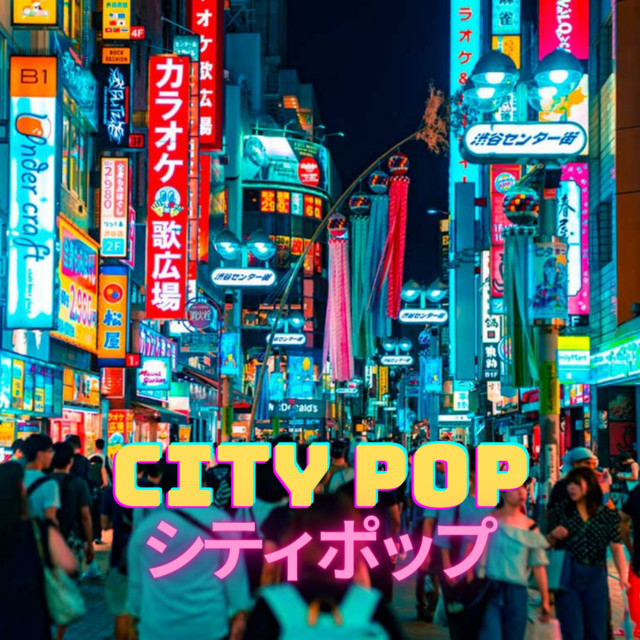
What do you imagine the 1980s was like? There was tension in the western world… we had the cold war, we had Margaret Thatcher. But a few thousand miles away there was hope. Whilst Britain went through radical changes marred with the closing of coal mines and nationwide strikes, Japan was entering an almost dystopian-like techno future. Or so they thought.
It was a county going through an economic boom. An economy second only to the USA, this exciting, fresh idea of capitalism promised a future we could still only imagine. There was a new leisure class of people living in Japanese cities, they had money and they wanted to spend it. They were disrupting the Western powers with their car exports, acquisitions of US real estate and entertainment companies, and new exciting technology.
There were new ways for the Japanese population to consume their music. The introduction of Walkmans, FM stereos, cars with cassette decks, and new electronic musical instruments such as synths gave a peep into the future.
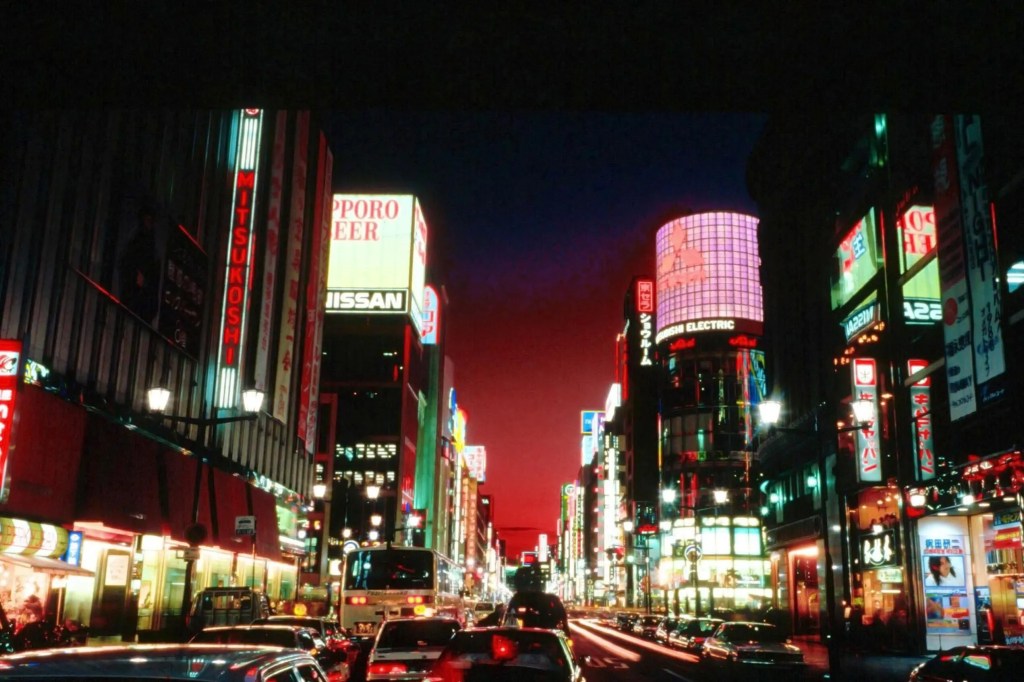
Coinciding with this fresh idea of a future for Japan was a new form of music the country was not used to. This was music made by city people, for city people. Hence the name, City Pop.
What is City Pop?
Emerging during the late 70s and peaking throughout the 80s, City Pop used western influence and drew from genres such as funk, disco, boogie, R&B and soft rock. This was a completely new sound for the Japanese people. It took very little influence from their predecessors in Japan, completely ignoring them you could argue. Instead it linked with the emerging globalisation taking over the world. Using the popularity of Western music, they introduced this new sound to their country which would appeal to urban areas, this led to much criticism from the older generations. But that defines true punk, right?
Many Japanese people viewed the music as cheesy, mainstream and disposable pop music. They’re not wrong about the cheesy aspect. That’s certainly something they took from the West. Look at the majority of 80s pop, arguably the best era for popular music. But boy is some of it cheesy. And that’s not a bad thing.
Who are the kings & queens of City Pop?
If you’ve read this far chances are you’re at least slightly interested in discovering City Pop. So, who would I recommend checking out to delve into this exciting genre? Well there’s the “King of City Pop”, Tatsuro Yamashita who was maybe the biggest mainstream artist at the time in the country. Bursting onto the scene in 1975, Yamashita has been consistently appearing on the Japanese charts for decades. HMV Japan even ranked him as sixth in the top 100 Japanese artists. Isn’t that the list that all artists aspire to appear on.
Maybe the most world renowned City Pop song, which has garnered much popularity in the past few years, is actually Tatsuro Yamashita collabarating with his wife, Takeuchi Mariya, on the track “Plastic Love”. Talented couple.
Then there is my personal favourite tune of the genre. “Mayonaka no door (Stay with me)” by Miki Matsubara. A blissful song. You may not be able to understand the majority of the lyrics, but you don’t need to. You can feel all emotions she is trying to convey. If this song doesn’t hit you in the feels then you can stop reading now as City Pop clearly isn’t for you. Check it out below, it’ll lead you down a rabbit hole of a genre you didn’t even know existed.
There might be some of you out there thinking “I already know all about City Pop, I don’t need you to teach me anything.” And fair enough, but I can give a pretty good guess of where you discovered it. You’ve probably stuck on the classic YouTube video to study to, “chill lofi beats” and from there the YouTube algorithm has taken you down the road to city pop. All those futuristic, dystopian, neon coloured thumbnails, you know the ones I’m talking about. Or maybe you’re an avid TikToker and discovered “Mayonaka no door (Stay with me)” through the popular trend that hit the app in 2020. That’s how most music becomes popular these days isn’t it? The tune hit the top of the Spotify viral charts and bought about this resurgence of the genre. But how did it get to this point?
The rise, fall and resurgence of City Pop
After the promise of this dystopian-like future throughout the 80s, things started to go downhill for the country of Japan as a whole. They hit a recession in the 90s and all of a sudden things were looking bleak once more. People no longer wanted to listen to this cheesy, optimistic music. City Pop fell off big time. As did Japanese culture.
The country went through tough times. Then internet culture began to take over the world during the 2010s. All of a sudden this notion of “mainstream popularity” started to disappear. It didn’t matter if you weren’t into what everyone else seemed to be into. All you had to do was open your laptop or iPhone and you could join a forum for anything and everything. I won’t explain the interent anymore to you, I think you’ve probably got the hang of it by now. But the point stands, it didn’t matter if it wasn’t considered “cool” in your school or with your mates, you could go online and chat to thousands of randomers about your shared interests.
This new way of expressing your interests led to the return of many things which had seemingly fallen off the face of the earth. To name only a few: retro videogames, professional wrestling and anime. Something common about these three subjects? They are all heavily influenced and ingrained with Japanese culture. If you’re a fan of any of these, chances are you feel closer connected to Japan than your average western man.
But what the hell has this got to do with City Pop I hear you asking. Well, all of a sudden Japanese culture had found it’s place again. It was considered cool in the western world for the first time in decades. Not only was it cool again, but a real fascination began to grow around it. The idea of a dystopian future which dominated urban Japan throughout the 1980s never felt further away. The youth of today could only dream of having that same hope of a capitalist utopia. This mixed with a dose of nostalgia has bought Japanese culture back into the mind of me and you, with proof of that being that anime is now a multi-billion dollar industry.
Without this newfound fascination surrounding Japanese culture, the chances are that city pop would never have hit TikTok back in 2020, therefore the great music of 1980s Japan would have been lost in the vaults for infinity.
Obviously, I am looking at this from a westerners viewpoint with my opinions and thoughts I’m sure being affected by that classic western bias. So I recommend checking out this video below to see the shock of Japanese natives at the resurgence in popularity of the music of much of their childhoods.
The case study of the rise, fall and resurgence of City Pop is a tale as old as popular music itself. Cultures, countries and music often go in a cycle. The hopeful and futuristic feel of the genre coincided perfectly with the sentiment spreading throughout the country at the time, as did the inevitable demise. And now in a time when Japanese culture is perhaps as prominent as ever in the west, so is City Pop. I’m sure it’ll be forgotten again in the not so distant future. But give it 20 years, it’ll be back. Because that is how music works.
Let me know any other era of a countries music I should delve into, lets explore the world.
 jacks.jukebox
Leave a comment