
It has been over 70 years since Israel was created in an effort to split Palestine into seperate Jewish and Arab states. This created quite a few more problems than it solved. The youth in the region needed an outlet to express their frustrations and hopes, hence the emergence of Middle Eastern Hip-Hop.
Just a few days ago we saw at least 45 civilians killed in an airstrike in Rafah, an attack which according to the White House ‘doesn’t cross the US red line’, to the surprise of absolutely no one. But these are not the first nor will they be the last civilians murdered in this conflict. It has been ongoing for, as I said, over 70 years and is showing no signs of slowing down.
So far in this ‘Around The World’ series, there has been a constant theme running through each country. The citizens need to find their voice, they have to find a way of sharing their hopes for a more optimistic future. This voice is usually found in art, more specifically music.
Throughout the early 90s, young Palestinians watched from afar as African Americans fought against discrimination, poverty and oppression. With a key weapon being the power of Hip-Hop. The likes of Tupac, Nas, Public Enemy and Run DMC inspired beyond the shores of America, as the youth of Palestine began to notice what was happening in the States. They wanted to feel this power of change for themselves.
Fighting against both Israel AND Hamas
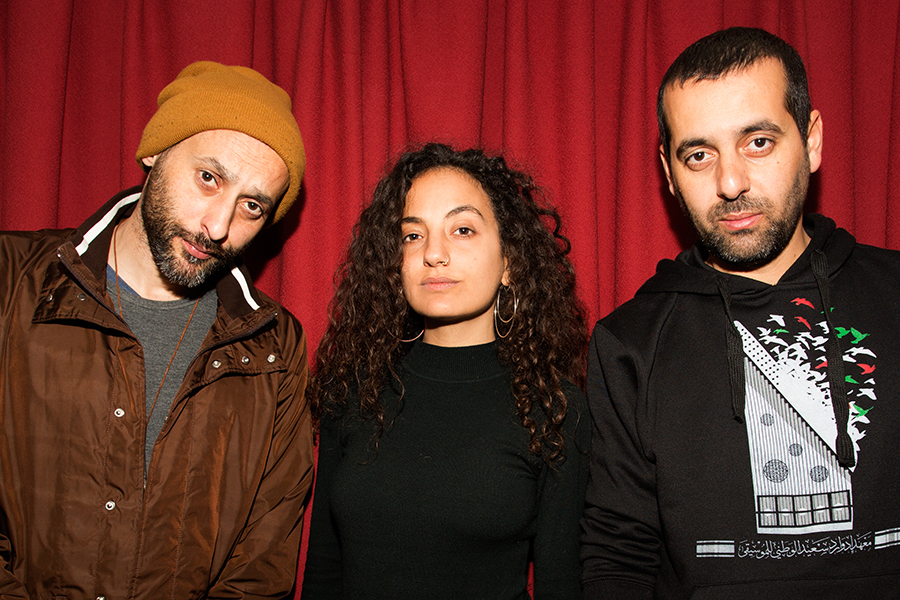
Maybe the most famous and influential Palestinian Hip-Hop act is the trio D.A.M. Born in the city of Lud, infamous for its poverty and crime, they represent the true Palestinian voice. They use their lyrics to express the frustration of being under constant Israeli control, as well as anger towards their own leaders hypocrisy and failing peace talks.
If you want to learn more about D.A.M and Palestinian Hip-Hop in general, I highly recommend this documentary, Slingshot Hip-Hop.
The likes of D.A.M not only fight against Israel, but also find themselves conflicting with those closer to home. Many concerts and festivals in Palestine are violently shut down by Hamas, as they look to repress the voice of Palestinians.
A group highly influenced by D.A.M is PR (Palestinian Rappers). They often find their concerts being hijacked by Hamas supporters, infuriated at this Western music taking over their land.
The limitations put on travel around the West Bank of Palestine deny PR and other acts the opportunity to collaborate with other artists. But it is not only fellow Palestinians that they are looking to work with…
How Hip-Hop unites Israeli’s and Palestinians
Palestine is not alone in having a thriving Hip-Hop scene. Israel has its own scene. And it’s maybe the best outlet for Israeli’s to challenge their own regime.
Hadag Nahash is the most well-known Israeli rap group. Consisting of Jews from around the region, ranging from Morocco to Iran, they are generally considered leftist due to their opposition of Israeli leaders and calling out of Zionism.
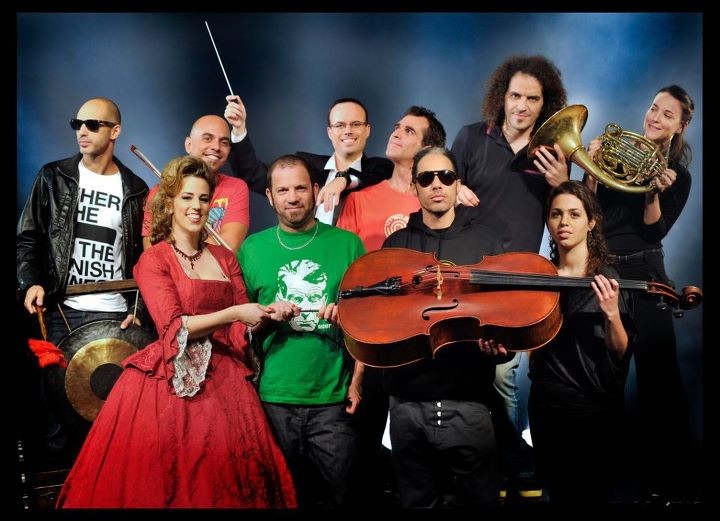
Many of their lyrics target the hypocrisy of the Israeli youth. Yes, they yearn for peace and a resolution, but only if the Israeli Defence Force “mows down” the Palestinians.
They simultaneously call out the lack of compromise whilst begging God for forgiveness. And they’re not the only Israeli creatives who feel this way.
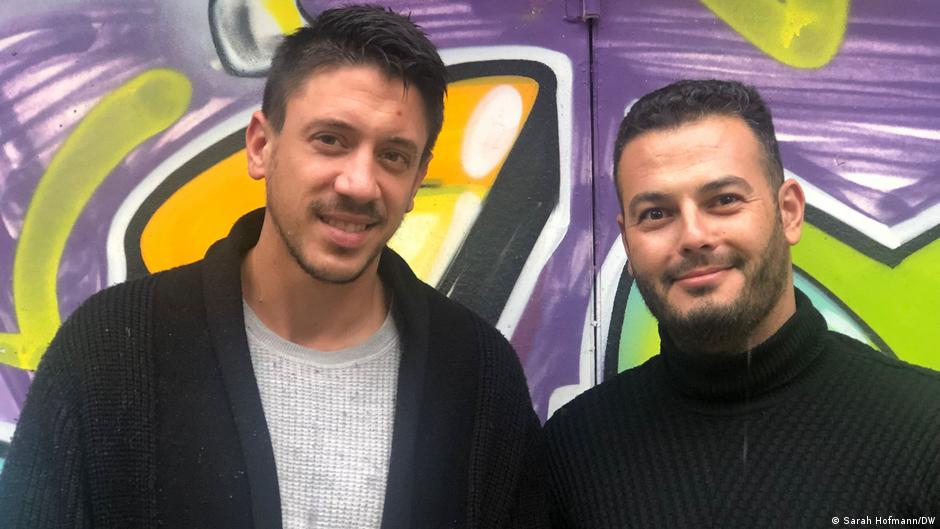
Sameh Zakout and Uriya Rosenman – The Israeli-Palestinian rap duo
Sameh Zakout is a Palestinian singer and actor, Uriya Rosenman is an Israeli Jewish educator. Together they create music and call for peace.
Uriya had friends who were kidnapped and murdered on the 7 October Hamas attacks on Israel, Sameh has had family members murdered in the Israeli retaliation on Gaza. Despite this they remain friends and continue to collaborate.
They went viral a couple of years ago with the video below. Unbelievably, they spend six minutes spewing racist insults at each other and playing up to the stereotypes each race faces.
“I’ve heard these racist remarks thousands of times. The project is here to show us: We are all racist to a certain degree. Whether we are willing to admit it or not, many Israeli Jews sound like this.” This is what Rosenman had to say about the video.
This video will go down in history. Six minutes of rapping expresses the deep-rooted views of both sides, better than any news interview or ‘JacksJukebox’ article ever could.
Authors notes
This has been by far the toughest entry to the ‘Around the World’ series I have written so far. I’m well aware of how easy it can be for me (an atheist English guy living in Leeds) to misrepresent the views of Arabs and Jews. It’s a complicated, ongoing situation that I really have zero experience of. It’s tough to write just about the music, when the music represents so much more than just entertainment.
If like me you live in the rosey land of England, it’s easy to get caught up in the constant media attention and the protests and the boycotts. (Apparently you should never buy a Maccies or Starbucks again… because all their multi-billion dollar competitors are clearly so morally superior, right?)
But I came into this knowing nothing about Middle Eastern Hip-Hop. Honestly, I wasn’t expecting it to go down the road it’s taken me. I was expecting to find Palestinians rapping against Israeli’s and vice versa. That definitely does happen. But what I found most intriguing was the desire for collaboration and the similarities between the two sides. Whether it’s Sameh Zakout and Uriya Rosenman, or Hadag Nahash calling out the hypocricy of their fellow Israeli’s, it’s shown me how there are people on both sides who truly just want to live their lives, without the constant fear of war.
These may be anomalies, maybe the majority of Palestinians and Israeli’s do feel true hatred towards each other. But in this small, unimportant world of music there are signs of a more optimistic future… there are signs of hope.
 jacks.jukebox
Leave a comment