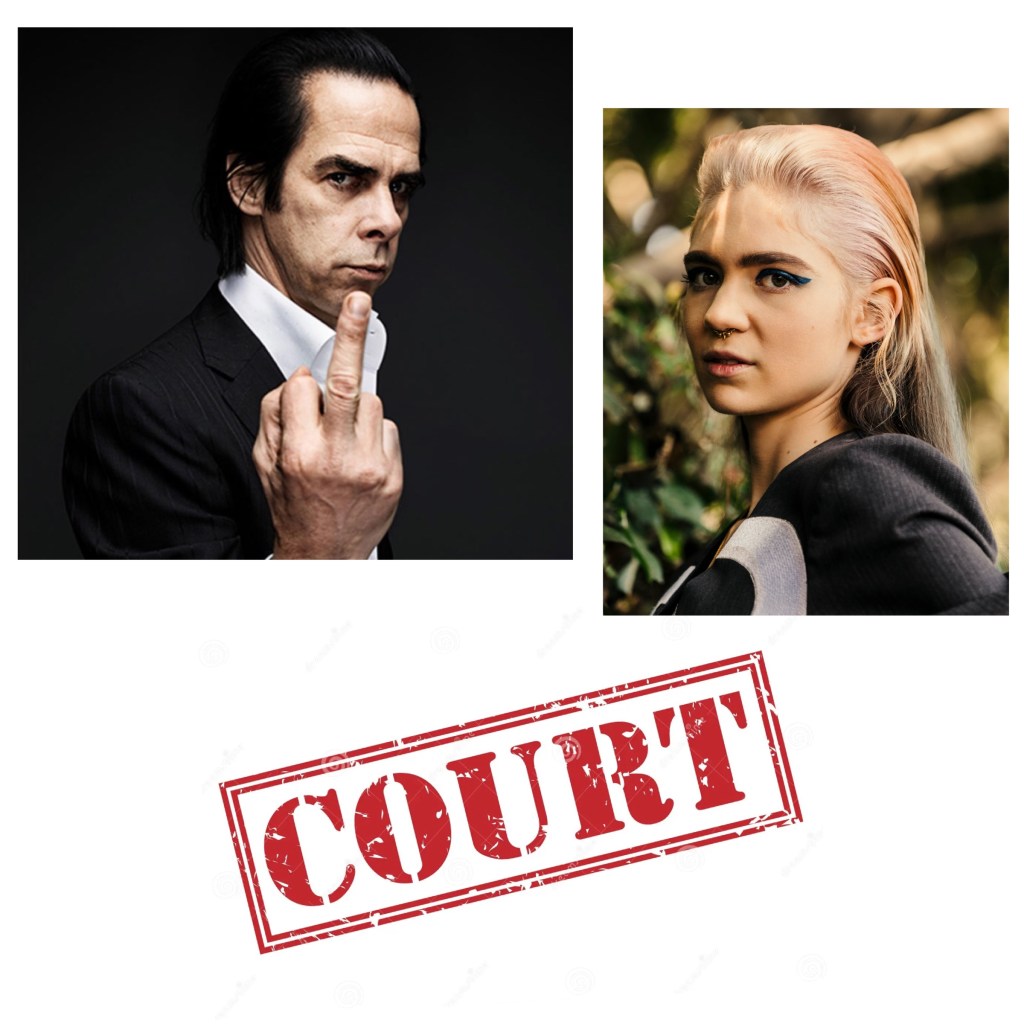
Cave v. Grimes et al. , 2024
District Attorney of jacks.jukebox
The case for the use of AI in music
“A 66 year-old male musician (Mr. Nick Cave) brought a class action challenging the constitutionality of the use of AI in music. Mr. Cave claims, “Its intent is to completely sidestep the sort of inconvenience of the artistic struggle, going straight to the commodity, which reflects on us, what we are, as human beings, which is just things that consume stuff. We don’t make things anymore. We just consume stuff. It’s frightening.” A 36 year-old musician (Grimes) disagrees with Mr. Cave’s claims, arguing, “I think AI is great. I just feel like, creatively, I think AI can replace humans. And so I think at some point, we will want to, as a species, have a discussion about how involved AI will be in art.”
Today this courtroom intends to reach a definitive, unequivocal answer to this case… in the name of jacks.jukebox.

The Arguments
Keeping with the theme of the first ‘Jukebox Courtroom’ case (check it out), we are here to discuss the potential consequences, both negative and positive, of technology on music. After coming to a decision on whether mobile phones should be banned at gigs, today we will explore the impact of AI on the future of the arts world.
The instinctive reaction to AI for most creative people will be a negative one. This is where Nick Cave’s argument comes in. As stated in the intro, Mr. Cave believes the use of AI could eventually make humans benign and useless. He’s not the only one who has been left frightened by this possibility. More than 200 high-profile musicians including Billie Eilish, Nicki Minaj, and Stevie Wonder signed an open letter earlier this year calling for “protections against the predatory use of Artificial Intelligence.”
However not everybody agrees. Talk to more electronic based musicians/DJ’s and you might find a different viewpoint. Grimes and Daniel Bedingfield being two of the most outspoken in favour of integrating AI into music. ‘Gotta Get Thru This’ singer, Bedingfield, argues, “It will be possible to continue without AI. But the question will be, why would you? Why fight it when you can have a whole gospel choir singing your chorus within two days time?”
Let’s go into this with an open mindset together, and come to a decision of whether AI is truly the future. Are the time and money saving positives worth the risk of killing all human creativity? Let’s find out.
Is this the beginning of the end for human creativity?!
So let’s begin with Mr. Cave and the 200 plus musicians openly cautious of AI.
Unless you’re one of the millions of bots created by Elon Musk to spread his personal vendetta, chances are you’re slightly skeptical of AI, whilst simultaneously being aware of the potential benefits. New technology is always scary, yet always so full of potential. So is there actually any reason to fear it?
Well the 200 plus artists who signed the open letter, which was issued by advocacy group ‘Artist Rights Alliance’, believe there is reasonable fear.
“This assault on human creativity must be stopped. We must protect against the predatory use of AI to steal professional artists’ voices and likenesses, violate creators’ rights, and destroy the music ecosystem.” This outlines the open letters main fears.
We’ve already seen multiple examples of artists voices being ‘stolen’. The Beatles ‘last ever song’ which they released last year famously used AI to isolate John Lennons voice from an old demo. The open letter does state that this is a way in which AI could be used to be beneficial in the music world.
However, there is the flip side to this. Last year we also saw the release of a ‘song’ featuring Drake and The Weeknd. Two of the biggest musicians in the world coming together, what could possibly be bad about that? Well, it wasn’t true. It was a completely AI fabricated song. There was a backlash and it was subsequently taken off all streaming platforms. The very first glimpse into the public view of this sort of song, and it was proven overwhelmingly negative.
Does AI-created music even sound good??
There’s not only the ethical concerns surrounding the use of AI in music. There’s also the plain fact that right now, it’s just not that good.
The obvious and leading argument against AI thus far has been that it cannot replicate human emotion. Obviously over time this could change. But right now I think it’s fair to say that it just doesn’t hit that spot in your heart.
You may have read Nick Cave’s response to lyrics written by AI. On his blog (not as good as this one might I add), ‘The Red Hand Files’, Cave responded to a fan named Mark who sent him lyrics written ‘in the style of Nick Cave’ by ChatGPT. Cave exclaimed that “with all the love and respect in the world, the track is bullshit and a grotesque mockery of what it is to be human.” He doesn’t mince his words does he.

He’s got a point though hasn’t he. Kelly Bishop, writing for VICE, has a similar sentiment to the ‘bad seed’. She attempted using an AI lyric generator program and stated, “If you’re new to songwriting and want to play around with lyrical ideas, this might be a fun tool, but it didn’t generate anything I’d ever want to put in a song.”
So whether it’s ethical concerns, or quality concerns, it’s clear to see that at this moment in time AI will not be replacing humans in the music world, but is there still a place for it to work alongside us?
AI is so much quicker and cheaper !
As stated earlier, there is one obvious advantage to using AI. It saves time, and it saves money.
Just like Daniel Bedingfield said, why would you not use it? It’s a good point. Just imagine the amount of music your favourite artist could release if they were using AI. We’d have about 14 Taylor Swift albums a year. *Maybe that should be the main argument against the use of Artificial Intelligence.*
It’s not as new as you think
There’s also the fact that technology has always been used in music. Whether it’s Brian Eno playing around with generative music for decades, or the first ever score composed by an electronic computer being created all the way back in 1958 (check out Illiac Suite), technology has always had an impact on music.
I don’t think it’s a coincidence that two of the biggest supporters of the use of AI in music are Grimes and Daniel Bedingfield, two predominantly electronic-based musicians.
Even with all the outspoken voices against the use of AI in the arts world, this stat might shock you. According to ‘Rare Connections’, 60% of musicians use AI to some extent in their music making process. Maybe it’s already more prevalent than we thought.
Can AI close the class gap?
The final, and maybe most important, argument in favour of the use of AI is the opportunity that it has to end ableism and classism. Now it must be said, you have got to have a very optimistic outlook on the world to think this will happen, but what’s wrong with a bit of optimism?
It all links back to the earlier point of AI being cost and time efficient. It’s a well known fact that these days the music world is full of rich kids and nepo babies. Yes they’re talented, but no more talented than some random guy on a council estate. There’s always been examples of working class, disadvantaged artists breaking through, but they are certainly becoming more scarce. Recent-ish instances in England include the explosion of the Garage and Grime scenes.
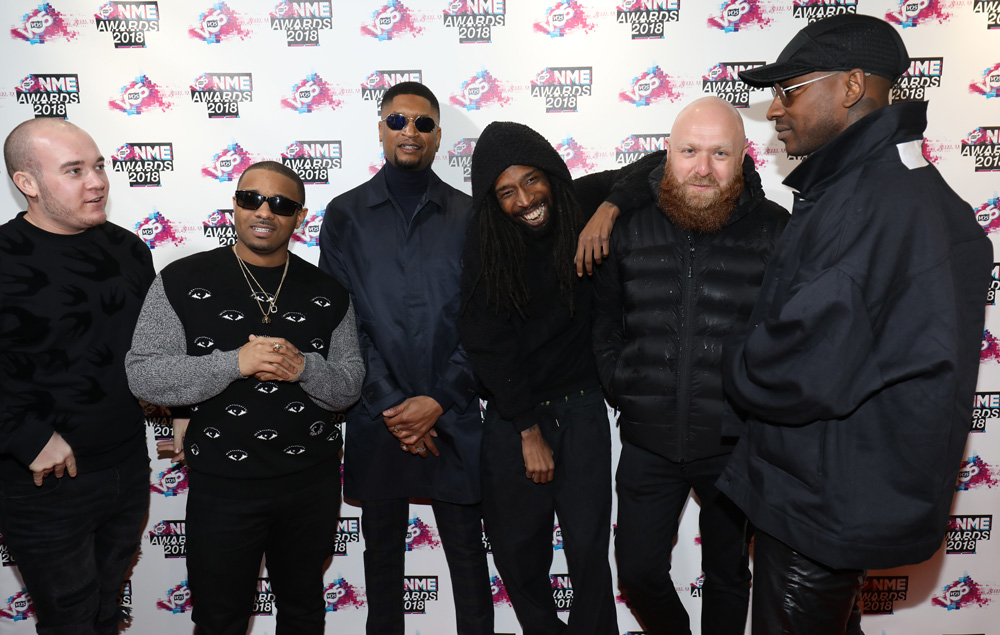
But why don’t we see these breakthroughs more often? A lack of opportunity, contacts and equipment doesn’t help. Could AI change that all?
This is one of Daniel Bedingfield’s main points… the fact that the music industry can eat away at unprepared kids just looking to make good tunes.
“Go ahead, see if you can join the music industry without getting your soul destroyed. See if you can change it from the inside. I think it’s better to create parallel systems.”, Bedingfield argued.
If AI can successfully create more opportunities and equality, where’s the harm in that? Let’s just hope that’s the road it goes down, rather than the predictably more dividing and classist route it looks destined for.
The Verdict
So it’s time to come to a decision. Is AI a threat to human creativity within the music world?
I’m going to let you decide ! Keep an eye on our Instagram (jacks.jukebox) stories over the next couple of days to cast your vote. Democracy lives within jacks.jukebox !
What I will say, as the omnipresent judge, is that I think it heavily depends on your optimism of the world. If you truly believe that AI will lead to more opportunity for the working classes and disadvantaged then good for you ! It could happen, I’m with you.
However, as we see so often, there is always the chance that this new and exciting technology will be pirated by the upper echelons of society and they will find a way to make it work for them, and them only.
Sorry to end it on a bleak, slightly communist sounding note. Wasn’t my intention. Get on our Instagram story and vote for a better future ! Make music great again !
 jacks.jukebox
Leave a comment