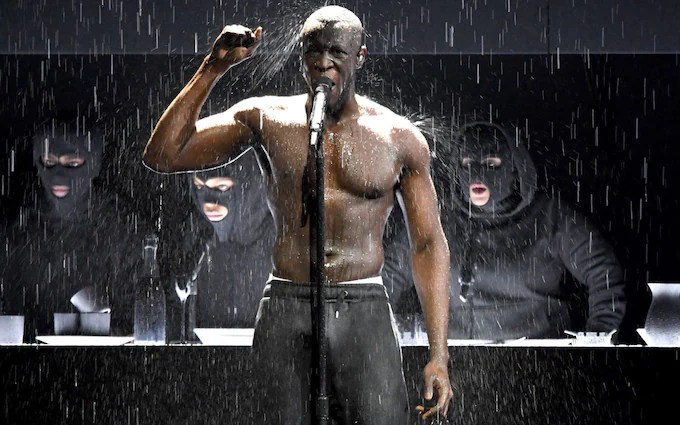
I remember seeing a quote from Liam Gallagher back in 2017 or ’18. It was along the lines of “Grime is the modern-day Punk”. It always stood out to me. He was referring to the working-class, rebellious spirit of the genre. Little did Mr. Gallagher know, as time went on the similarities between Punk and Grime would only grow and grow…
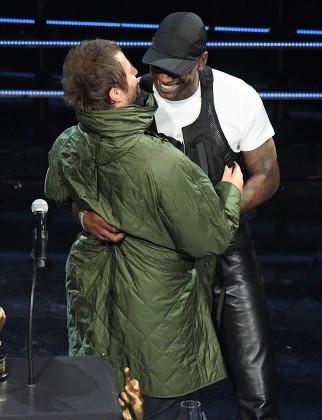
2017 must’ve been a whirlwind for the original Grime artists and fans alike. After over a decade of graft, over a decade of dominating the pirate radio waves, Grime had well and truly hit the mainstream. Skepta had just won the Mercury Prize with his album, ‘Konnichiwa’, and Stormzy was one of the biggest acts in the country. But how did it get to this point?
Grime’s journey to the mainstream
Throughout the 90s, Garage and Jungle dominated the London scene. Whilst the genre’s were heavily played in clubs, the main outlet came through pirate radio stations. The high-rise flat blocks allowed for the production and sustainability of these illegal broadcasts. Tower Hamlets and the surrounding boroughs were rife with pirate radio. Whilst you might have been sat at home watching BBC One, the working-class, black youth of London were tuning into Rinse FM and Deja Vu FM. This was their culture.
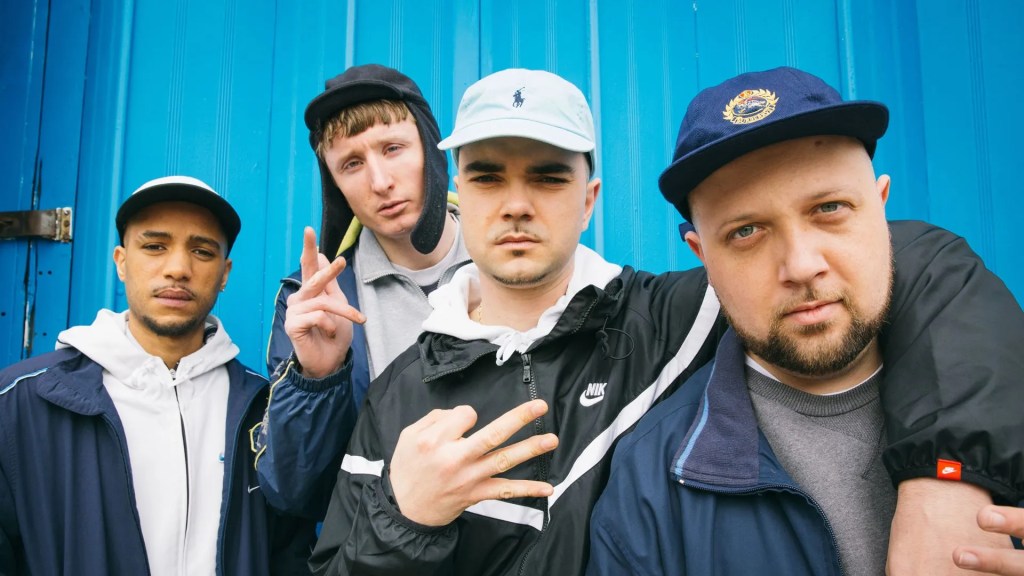
The new millennium came, and this ushered in the introduction of a new genre on the airwaves. Heavy basslines and electronic influences, over a tempo of 140 BPM… centred around MC’s freestyling clever and comedic lyrics. Goodbye garage, hello grime.
The genre first started to flirt with the mainstream in the early naughties. Wiley and Dizzie Rascal burst onto the scene (in true Micah Richards style). Arguably the most important grime record of all time, Dizzie Rascal’s ‘Boy in Da Corner’ won the Mercury Prize in 2003. Previous winners included Suede, Portishead and Pulp… not the sort of award a black rapper from the streets of London wins.
Grime fans thought this would be the start of something special, but they still had some time to wait before the rest of the nation truly took notice.
Grime and Punk – Similar upbringings
Throughout the 2000s, Grime artists continued to release great, critically-acclaimed records. Wiley, Skepta, BBK, Kano, just to name a few. They were all releasing exciting, anti-establishment, rebellious music at a time when there was a bit of a cultural hole throughout the UK. Sounds similar to punk, right?
X-Factor and Simon Cowell backed artists were dominating the charts, there really wasn’t much attitude to British music at the time. (Maybe the country was still riding off the high of the 90s. Ya know, cool britania, britpop, all that. You’ll find countless examples, as seen throughout this ‘Around The World’ series, music and culture thrives when a country is going through political distress. But that’s a blog post for another day.)
As Grime began to gain acclaim and popularity, it became a target. In similar vein to Punk, it was attacked by the political and media ‘establishment’ for being “violent” and more specifically “riot music”.
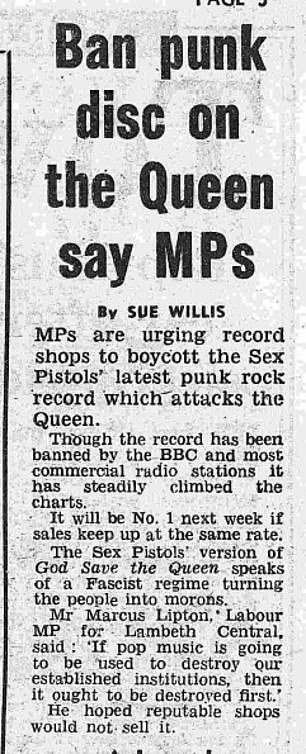
Tabloids throughout the 70s targeted punk music. Responding to the Sex Pistols, ‘God Save The Queen’, the Daily Mail and MP’s called for the ban of the record:
We saw similar reporting when riots hit the streets of London in 2011. Grime music was apparently creating a culture of violence and anger throughout communities. Maybe there is some truth to that, but surely the rapid closure of youth clubs and the lack of funding for these poor boroughs plays a bigger role?
However, following a similar trend to Punk, give it a few years, the media and middle classes would not be able to get enough of this music and the artists.
Finally hit the mainstream – Was it worth it?
Let’s take it back to where we begun. 2018. Stormzy is everywhere, all of a sudden he’s the nations sweetheart.
He took to stage at the Brit Awards and directly called out PM Theresa May for the Grenfall travesty and how the government had neglected the victims. One of the most powerful TV performances of all time, the nation took notice. Finally, the message of Grime had got through to the general public. For almost 20 years they had been ignored and stigmatised, but that changes today. Or so they thought…
As seen with Punk, middle class white boys began listening to the music, they started dressing like Johnny Rotten, they started acting like Johnny Rotten. But that was as far as it went. They may have been listening to the music, but were they actually LISTENING to the music?
You’d think once they hit the mainstream, the underlying meaning would get across to the public. That’s the dream right? Get the message into as many people’s ears as possible. Unfortunately reality works in weird ways.
The gentrification of working-class music
Whether it’s Punk or Grime, the music becomes more popular, more accepted and more celebrated… but the message just doesn’t translate.
Punk was all about tackling the social class gap, grime was all about tackling the race gap, but how much of a difference did they actually make?
Now I wasn’t around in the 70s, but I’d guess it’d be pretty similar to what I’m about to describe… go out on the streets, even worse go to a uni accommodation, there are countless posh, stuck-up rich kids dressing and talking like their favourite grime artist. I’m sorry, but it’s just fucking embarrassing.
They have zero awareness of the struggle of the black youth of London, and they take ZERO notice of the underlying message of their favourite music.
They’ll sit there and show you a ‘funny’ video of Boris Johnson acting all silly. “He’s such a laugh isn’t he!!”. (In case you can’t tell, I’ve met too many of these guys.)
Am I being harsh here? Yeah maybe, they’re just living their life, but it’s a definite reflection on how society works.
Eventually the music becomes sanitised and loses its message. I don’t know too much about Central Cee, for example, I’m sure he’s a decent enough guy and I really don’t mean to single him out, but I’m gonna do it anyway, soz cee. I listen to his music and just don’t get it. Maybe it’s me, maybe I’ve grown older, but it is incomparable to the likes of Stormzy and Skepta. The lack of attitude, message and meaning strikes me (Central Cee is definitely not the first to be guilty of this it’s been happening for years, just seems a relevant example). The same could be said for post-punk, which I love by the way.
This working class, raw sounding music is suddenly produced at the highest possible standards, and instead of tackling real-life issues, it falls into the classic pop trope of talking about sex, drugs and rock n roll baby.
If you want to read more into media representation of Grime and the similarities between it and Punk, I highly recommend reading through this, https://medium.com/fwrd/the-shift-of-media-representation-of-grime-exploring-how-the-white-middle-class-have-appropriated-682453cad7eb. There’s been countless academic and journalistic researches into this topic over the years, do take a deep dive into it all if you found this little overview interesting.
This turned into a more opinionated piece towards the end than I intended, I apologise for that. Maybe you agree with me, maybe you don’t. Either way get in touch with me on our Insta page, @jacks.jukebox. May aswell drop us a follow whilst your there 🙂
See you on Friday as we figure out what the greatest debut album ever released is…
 jacks.jukebox
Leave a comment