Algerian Rai Pop: Student protests, terrorism and religious tension – The music stuck in the middle of a civil war
October 1988. Algeria is plagued by high unemployment, rising prices, and unpopular austerity measures. Due to high fertility rates, 44% of the nation is aged between 0-14, and these kids had had enough…
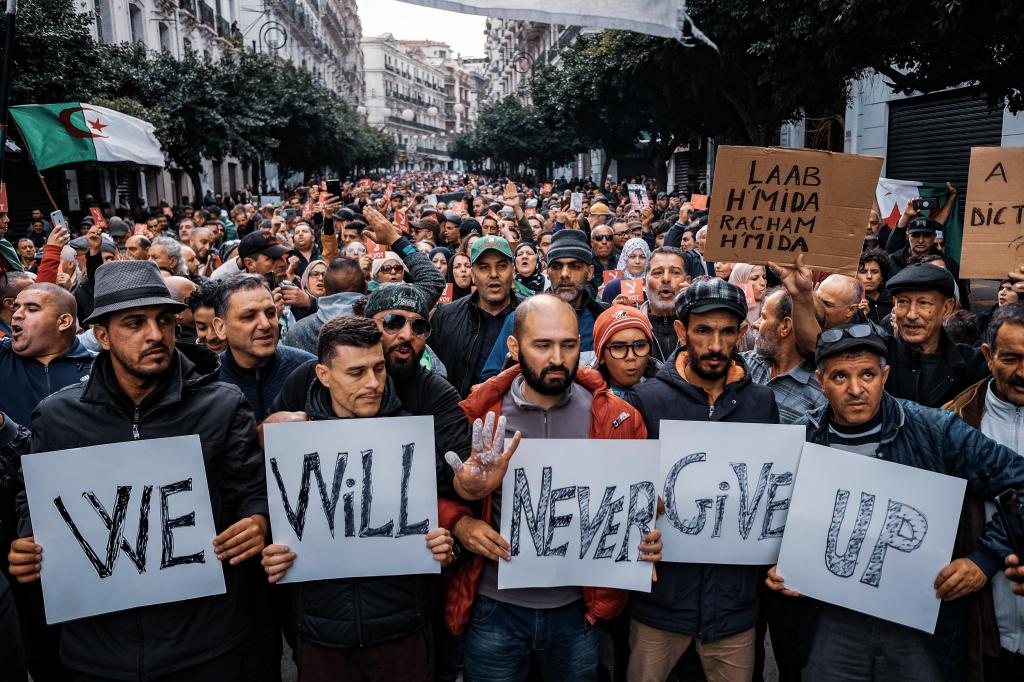
Thousands of students and youths took to the streets in protest against the one-party system which had ruled over Algeria since 1962. The following week resulted in about 500 deaths and over 1000 wounded, but this was just the start…
Where has youth gone? Where are the brave ones? The rich gorge themselves The poor work themselves to death The Islamic charlatans show their true face… You can always cry or complain Or escape… but where?
‘El Harba Wayn’ (To Flee, But Where?) – Khaled
Before we delve into the unsavoury scenes which loomed over Algeria throughout the next decade, let’s figure out where the hell music comes into this story…
The Origins of Rai Music
The city of Oran was a cultural melting pot during the 1920s. Following the struggles of WWI, the people searched for a more optimistic future. They yearned for a change from the traditional Islamic values and attitudes.
Cheik’s and Cheika’s, as they were known at the time (the male and female words for ‘leader’, the names original Rai musicians were known as), combined traditional Algerian music with more Spanish and Egyptian sounds. This appealed strongly to the citizens of the working-class, port city of Oran, leading to artistic and commercial success for the city and this exciting new genre.
The sound of Rai stagnated for a few decades, until Algeria found independence in 1962. This new-found life for the country led to a cultural boom.
Taking inspiration from the success of Rock ‘n’ Roll in Europe and America, Algeria modernised and began to incorporate more experimental sounds, including electric guitars, organs and trumpets. As time went on, the genre continued to evolve…
The introduction of synthesizers, drum machines and fresh, rebellious lyrics throughout the 1970s expanded the appeal of the genre. The youth of the country began to take notice and adopt Rai music as their own.
The singers were no longer known as Cheik’s and Cheika’s. They now took the arabic word for ‘kid’, ‘Cheb’ and ‘Cheba’.
This transition to the youth allowed for the music to become a more rebellious natured and generation-specific movement.
As the music began to tackle more controversial subjects such as alcoholism, sexuality and liberalism, the tensions in the country were growing.
Radical Islamists began to grow in popularity and influence, a war was brewing. And Rai music and it’s artists found itself directly in the middle…
WAR! WHAT IS IT GOOD FOR?
Following the student protests of 1988, it was clear Algeria was on the brink of all-out war. Current President and leader of the only recognised political party in Algeria (National Liberation Front), Chadli Bendjedid, was unpopular from all sides.
The youth were sick of his austerity measures and lack of hope, whereas the Islamic fundamentalists didn’t think he was strong enough.
Tensions continued to rise as the country closed in on its 1991 parliamentary elections. Islamic fundamentalist party, Islamic Salvation Front (FIS), were destined for power. They were immensely popular in the region and looked in pole position after the first round of voting. However, this was just the start of a decade long battle…
The Algerian Army stepped in, cancelling the election and taking full control of the government. Obviously, this led to anger and retaliation from the FIS. After the party was banned and thousands of members arrested, they split off into two much more extremist groups. The Islamic Armed Movement (MIA) and Armed Islamic Group (GIA) declared war on the Military-led government.
So with the country now in the midst of civil war, where did this leave the empowering and rebellious sounds of Rai music?
Music as resistance
As we’ve seen so often throughout history, these artists become heavily censored within their home nation. They need a way to express their frustrations and fears. They need to adapt and find a way to keep the message alive, and in this instance they found their answer in France. Here, the music not only survived, but thrived.
There is one artist who is heavily renowned as THE Rai, mainstream superstar – Khaled. After exiling to France, Khaled continued to release Algerian pop music in the midst of the civil war. He was not just some semi-successful indie musician, he was one of the biggest stars in France.
Topping the charts twice – with his singles, ‘Didi’ and ‘Aicha’ – Khaled had well and truly put Algerian culture in the mainstream view of the French. As sound producers and the government were interfering with the music in Algeria, ‘cleaning it up’ if you like, Khaled and others fought back by reaching heights in France previously unseen for Algerian music.
A classic case of artists fighting back against their repressors in the only way they know how. Or were they? Has nostalgia and romanticism taken over? Some seem to think so…
Music as resistance?
An argument you see made by many journalists and academics about Rai music is this: It was not actually as rebellious and revolutionary as it may seem. They claim the singers were merely just that… singers. They didn’t write their own lyrics, they were just a cog on the ever-turning wheel of the music industry.
This argument is compelling. The evidence is there to see. Go through the lyrics of many Rai songs from the period. Yes, they may be challenging traditional Islamic views. Lots of talk of sexuality and alcoholism and so on. But is this nothing more than pop music just being pop music? Appealing to a younger, cooler audience in the aim of reaching more ears and ultimately making more money?
An example: in Cheb Hasni’s song, ‘El Berraka’, the lyrics read, “I had her.. because when you’re drunk that’s the sort of idea that runs through your head.” Not the most inventive and rebellious lyrics you’ve ever heard are they. To us English speakers, it sounds like the usual crap you’d hear in bland, pop songs you’d find towards the upper end of the Top 40.
BUT, maybe we have to put it into context. Both sex and alcohol are taboo subjects in Islam, maybe these ARE comparable to the rebellious lyrics you’d find in Punk or hip-hop.
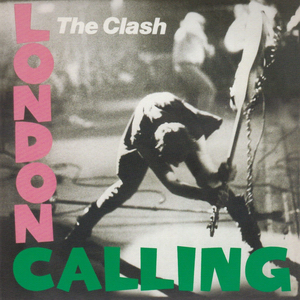
Are Rai musicians truly comparable to counter-culture bands such as The Clash?
The journalists and academics that argue this may be correct, I don’t know, I wasn’t there. However, listen to Cheb Mami speak about the importance of not giving up throughout the 90s, and make your own mind up;
“I was shocked to see my country descend into horror.” Mami stated, “But as a singer it was a form of combat. Every concert where I saw kids with Algerian flags, it was our resistance.”
Maybe they didn’t write their own lyrics, maybe they were just a cog on the wheel. But they obviously saw what they were doing as important. They knew they were spreading the message and keeping hope alive. Mami is right, by defying the soldiers that had taken over their country, they were fighting back. They may not have been on the front line, but as you’re about to find out, their lives were at just as much risk as those gun-strung fighters…
The murder of Cheb Hasni
It was September 1994, Cheb Hasni was one of, if not, the most revered and popular Rai musician at the time. At only 26 years old he already had a record sell over 1 million copies and had performed all around the world, ranging from Paris to Washington DC and even all the way over to Tokyo.
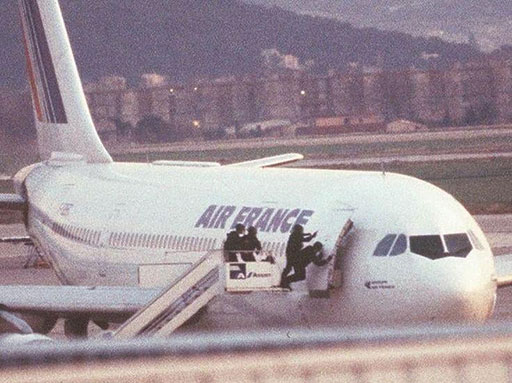
Obviously, tensions were endlessly raising throughout the country, and even outside of it. It had become unsafe even for those exiling to France. Just a few months prior, the Armed Islamic Group hijacked Air France Flight 8969 with a plot to crash it into the Eiffel Tower. Thankfully, the French counter-terror unit were able to halt their deadly plan. But this acted as a warning to all Algerians attempting to leave their home land.
Due to his controversial songs and immense fame, Hasni received countless death threats, but this didn’t deter him from performing in the face of suppression. In 1993 he sang for the final time in his home country, at an iconic event attended by over 150,000 Algerians, celebrating the independence of the country, and praying for a peaceful future. But this peaceful future seemed nothing more than just that, a prayer…
September 29 1994, Hasni was at his parent’s house in the origin city of Rai music, Oran. His family had moved to France, but Hasni was determined to be a figure of hope for his people, and often remained in Algeria. This proved to be an unwise decision.
Later that night, a (to this day) unknown gunman shot him down. Two shots, one to the throat, a second to the head. Hasni was instantly killed. A signal of war against artists.
Just days prior a fellow Algerian musician, Lounes Matoub, was abducted by the Armed Islamic Group. Less than a year later Rai producer, Rachid Baba-Ahmed, was murdered in very similar fashion to Hasni, also in Oran.
Rai music was now well and truly involved in Civil War.
Happy Ending?
The remainder of this story follows a similar trend to the rest of this ‘Around The World’ series.
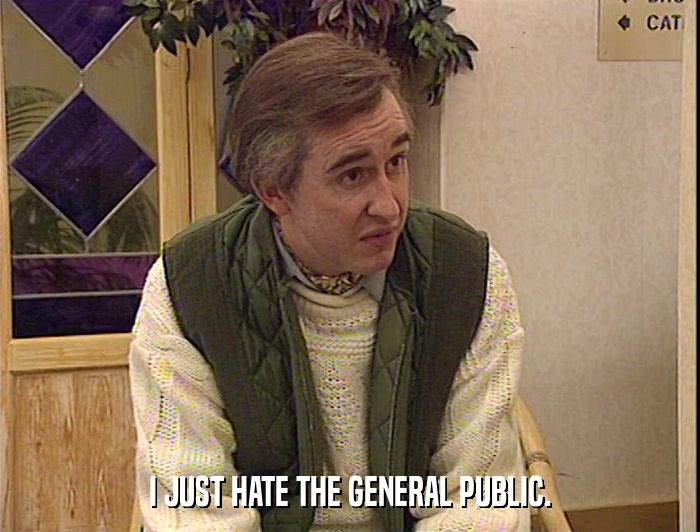
Eventually the Armed Islamic Group was all but gone by 2002. Power returned to the hands of the government and democracy returned to the country. However, was it said democracy that originally led to the breakout of war? That’s a key argument made by academics and journalists (read an interesting piece about that here). With what we’ve seen in USA just last week, Algeria remains a legit example of how democracy isn’t always a force of good, as Alan Partridge famously put it, “I just hate the general public”. You’re not wrong Alan, we just can’t trust ourselves.
But let’s end on a positive note. As the Islamic fundamentalists were driven out of Algeria, Rai music survived. Even the legacy of Cheb Hasni will live forever. In 2017, he was posthumously awarded the National Order of Merit. His popularity has only grown aswell, an example being the half a million monthly listeners he has on Spotify. Make that half a million and one.
Around The World returns next Monday, as we move a little bit closer to home…
 jacks.jukebox
Leave a comment